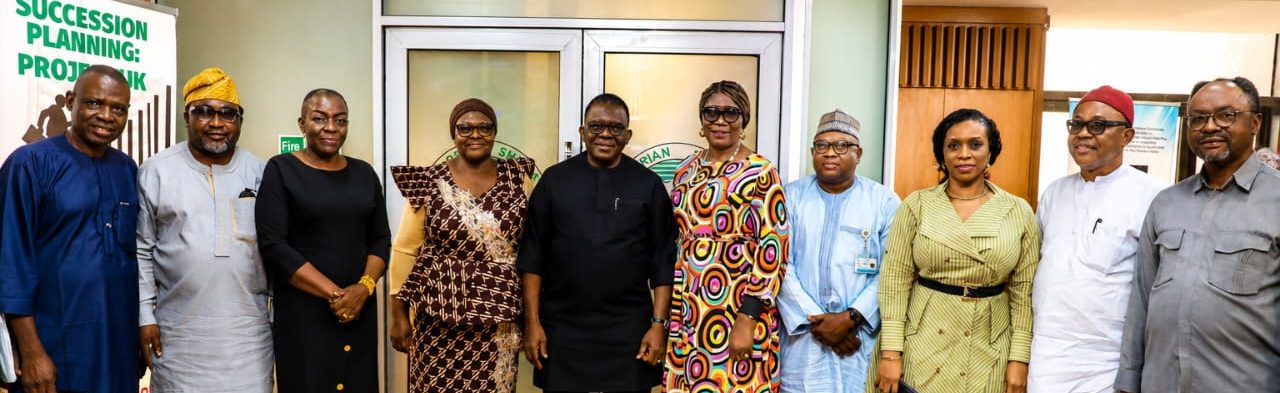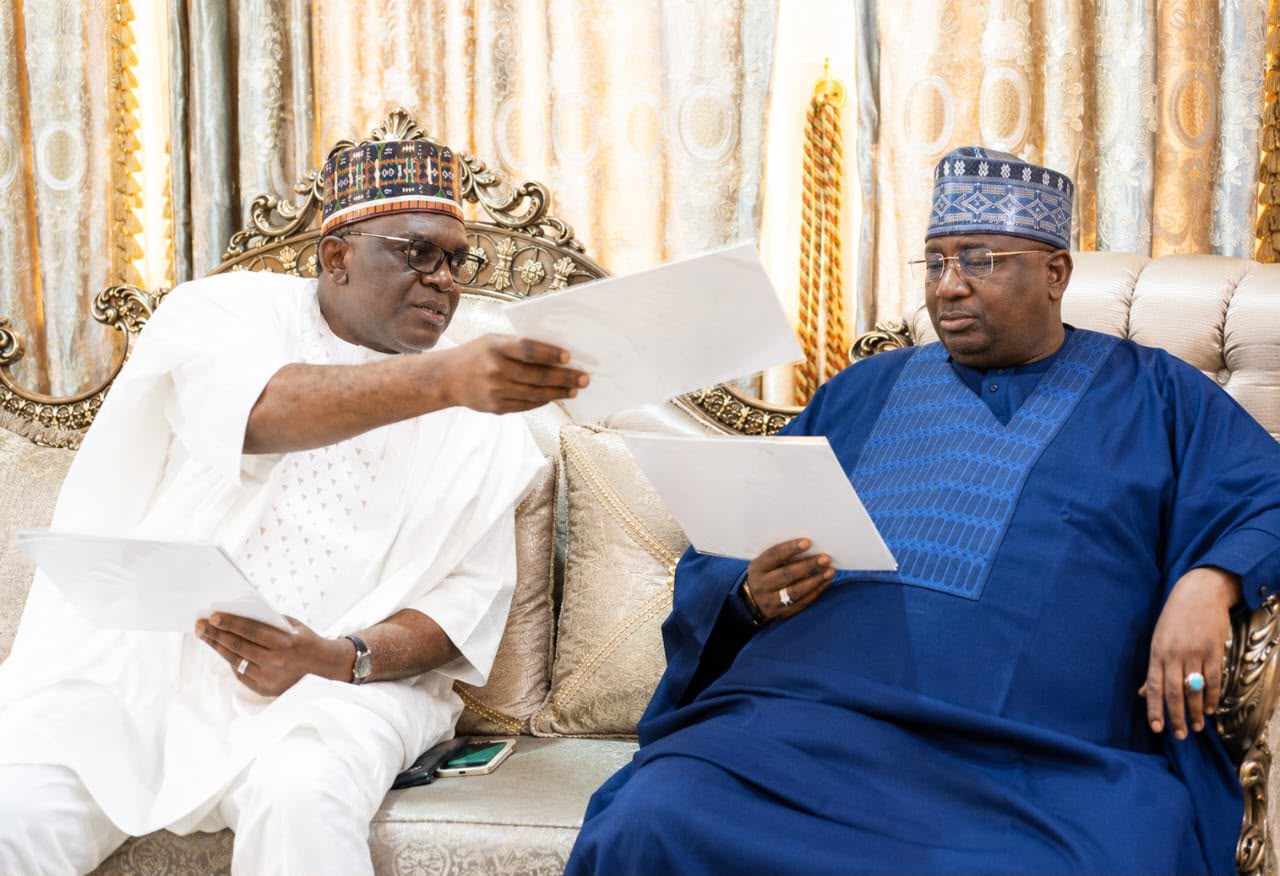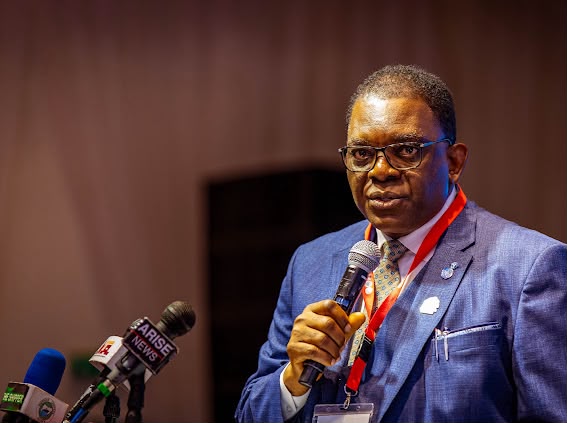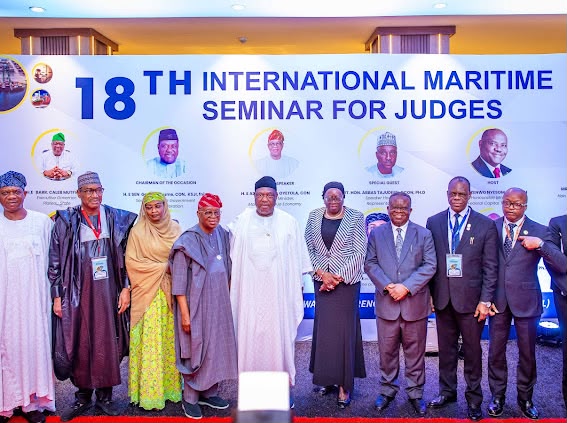



The audience sought with the Vice President, accordording to the Chairman of the National Fleet Implementation Committee, Barr. Hassan Bello was necessitated by the urgency to realize why both local and foreign investors have not shown up for the initiative, making comparative analogy with factors that contributed to the success of the vessel fleet ownership and management in many countries.
The expanded committee has terse terms of reference of developing a template for the implementation of the national fleet.
Before the expansion of the Committee, members of the committee were;Nigerian Shippers Counci (NSC), Nigerian Ports Authority (NPA), Nigerian Maritime Administrative and Safety Agenency (NIMASA), Mrs. Mfom Usoro, Alhaji Tijani Ramalan, and Engr. Olu Akinsoji.
Bello revealed that they had concluded plans to commence operations with five vessels, adding that the project is premised on the tripod of dry cargo trade, regional cabotage and tanker trade.
‘There are three aspects of the national fleet, the first is to have national trains to link the dry ports, we also need to have regional cabotage to boost trade among African countries and the last aspect is the tanker trade for crude oil supplies and wet cargo.
These aspects are all onboard but we may not kick – off at once, we may start with regional cabotage because the trade among African countries is very low and this shouldn’t be the case because there are lots of opportunities for trade” he said