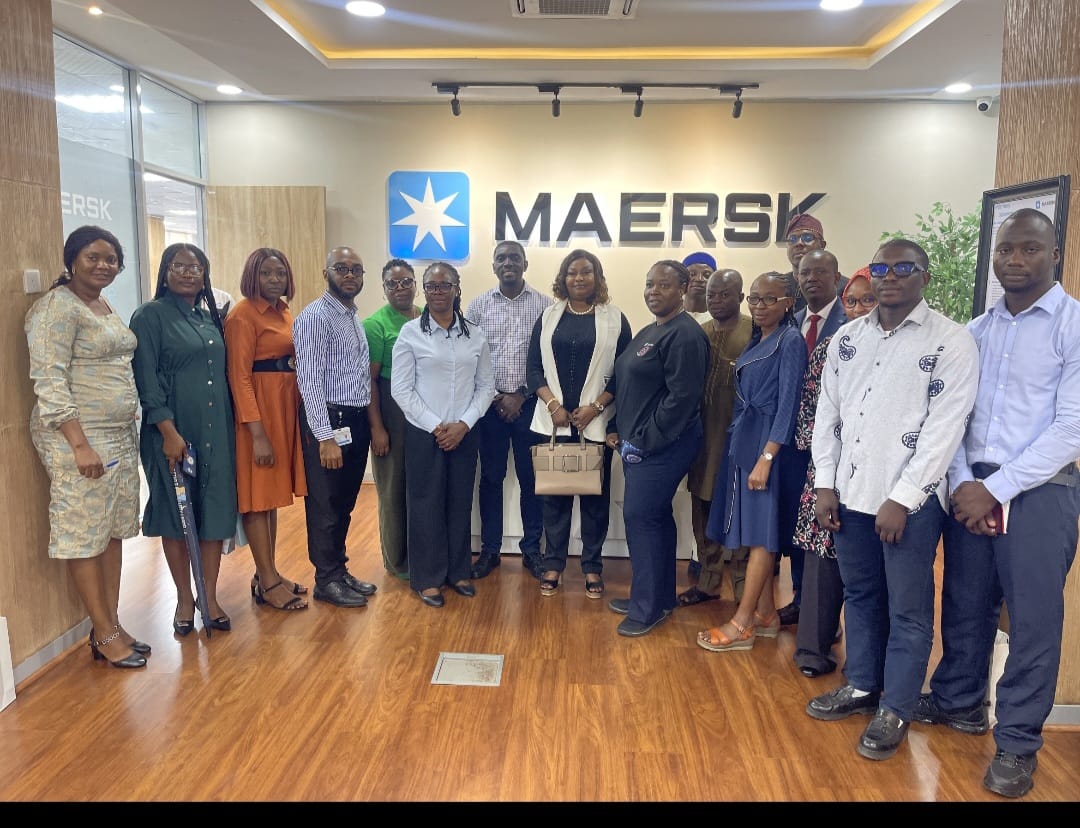





On Monday, 19 October 2026, a delegation from the Nigerian Ports Economic Regulatory Agency (NPERA), formerly operating under the Nigerian Shippers’ Council (NSC), led by the Complaints Unit and comprising representatives from the Legal Services Department and the Department for Regulatory Services, held a crucial advocacy and stakeholder engagement meeting with executives of Maersk Line Nigeria at their Office located at 1226 Bishop Oluwole Street, Victoria Island, Lagos.
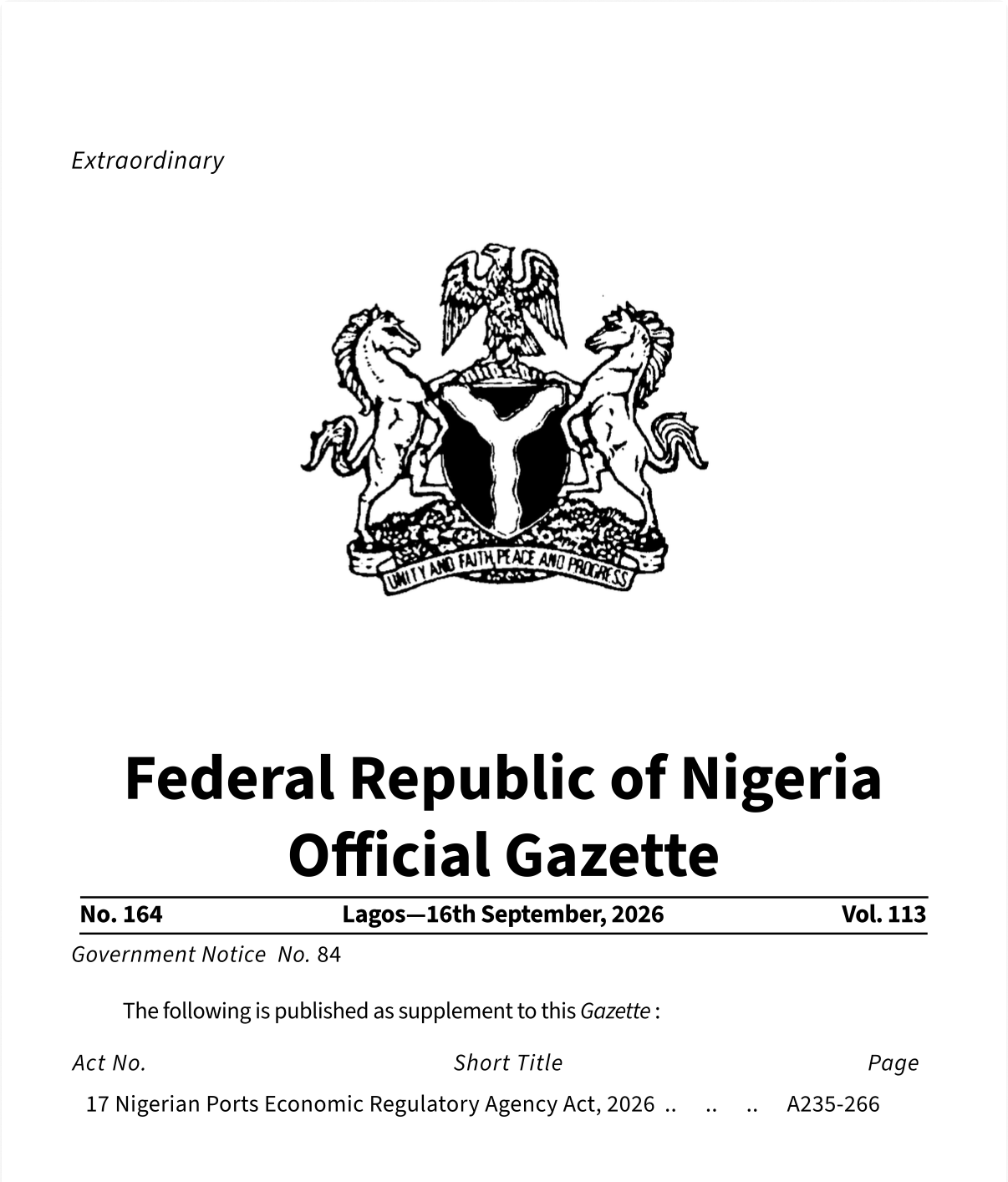
The visit marked a formal introduction of NPERA’s newly empowered statutory mandate under an Act of the National Assembly, which grants the Agency robust regulatory oversight and enforcement powers over port service providers and users. While noting that Maersk has historically maintained a strong compliance record, the Agency used the platform to address mounting grievances from port users concerning terminal congestion, unfulfilled waiver promises, and controversial freight surcharges.
Core Issues Deliberated
1. Transition of the Regulatory Framework
Opening the discussions, Mr. Hassan Aminu, Assistant Chief Operating Officer (ACOO) of the Complaints Unit, outlined the threefold objective of the visit: introducing the newly appointed Head of the Complaints Unit, Dr. Juliana Saka, presenting the Agency’s transition to NPERA, and addressing pressing operational complaints leveled against the carrier.
In her introductory remarks, Dr. Juliana Saka elaborated on the statutory transformation, emphasizing that the new legislative framework gives NPERA the legal teeth to enforce compliance. “Government has given the Agency the mandate and the power to act against those who do wrong,” Dr. Saka stated, stressing that while the Agency’s intervention is strictly complaint-driven, it expects absolute accountability from service providers.
2. Terminal Congestion, Storage, and Demurrage Disputes.
Dr. Saka highlighted a persistent bottleneck: export containers stranded in terminals for months. She highlighted a prior intervention where Maersk assured the regulator that affected consignees would be exempt from storage and demurrage charges upon arrival at destination ports. Contrary to these assurances, customers were forced to pay upfront with promises of reimbursement, a practice that has triggered subsequent waves of formal complaints.
Responding to these operational bottlenecks, Mr. Edmund Sasu, Head of Customer Experience at Maersk Line Nigeria, attributed the crisis to external macroeconomic and geopolitical disruptions. “The main cause of the complaints is the ongoing conflict in the Middle East, which has severely disrupted network rotations and caused severe vessel bunching and congestion at our transshipment hubs in Abidjan and Tema Ports, severely impacting exports,” Mr. Edmunds explained.
Outlining Maersk’s corrective action plan, Mr. Edmunds announced that the carrier is structurally altering its network architecture:
- Network Architecture: Maersk is permanently omitting the transshipment ports of Abidjan and Tema from its rotation to eliminate bottleneck delays.
- Vessel Operations: Two dedicated feeder vessels were scheduled for 20 October to evacuate customs-cleared boxes, with terminal clearance already achieved at Apapa.
- Gate-In Protocols: To curb systemic congestion caused by speculative booking and cargo rerouting, Maersk has instituted a strict new operational rule: cargo bookings must have an estimated time of arrival (ETA) within 10 days, and pre-customs clearance must be submitted before gate-in.
- The Controversial USD 3,000 Middle East Crisis Surcharge
Shifting focus to macroeconomic impacts, Dr. Saka strongly contested an additional freight surcharge of USD 3,000 per container imposed on shipments disrupted by the Middle East conflict under Clause 20 of the Bill of Lading. Arguing against the levy, Dr. Saka emphasized three core points:
- The geopolitical crisis was an entirely unforeseeable force majeure event beyond shipper control.
- The affected vessels had already commenced their voyages when the adjustments were applied.
- Retroactive surcharges penalize existing long-term contracts unfairly compared to new market entries.
She warned that the steep financial burden, compounded by strict Central Bank of Nigeria (CBN) repatriation deadlines for export proceeds, threatens the viability of Nigerian exporters, pushing some to the brink of insolvency and risking trade diversion to neighboring West African corridors.
4. Maersk’s Defense and Path Forward
Defending the carrier’s position, Ms. Mary Effiong (Customer Experience) noted that Maersk is currently operating under Advisory 52. She maintained that impacted customers were formally notified of alternative routing options and associated carrier costs, allowing them to choose between returning cargo to the port of origin or absorbing alternative-route surcharges.
Acknowledging the gravity of NPERA’s appeal regarding the USD 3,000 fee, Mr. Edmunds noted that the matter exceeds local management authority and must be escalated to Maersk Global Headquarters. He invited the regulatory delegation to submit an exhaustive list of affected Nigerian exporters, pledging that Maersk would advocate internally for full or partial hardship waivers on a case-by-case basis.
Action Items and Way Forward
NPERA Complaints Unit Commitments:
- Compile and officially transmit the documented list of Nigerian exporters impacted by the USD3,000 container surcharge to Maersk Line Nigeria.
Maersk Line Nigeria Commitments:
- Escalate the surcharge waiver requests directly to global headquarters, pushing for equitable full or partial relief on a case-by-case basis.
- Execute scheduled vessel calls effective 20 October to clear out cleared export boxes.
- Permanently omit the congested transshipment hubs of Abidjan and Tema Ports from vessel rotations.
- Strictly enforce new gate-in protocols, including the 10-day arrival window and mandatory pre-gate-in customs clearance.