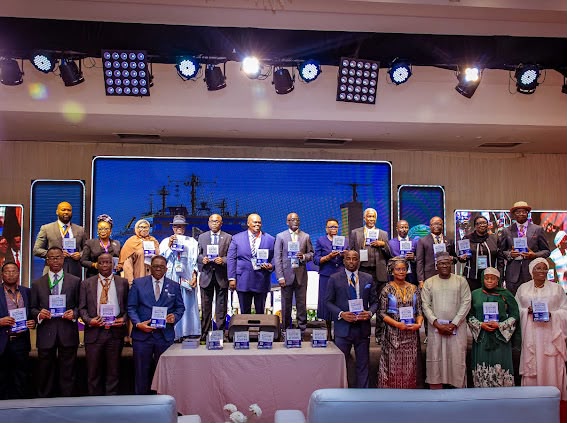


The Federal government has stressed the need for stronger collaboration among the judiciary, government institutions, and maritime stakeholders to advance maritime Justice and unlock the full potential of Nigeria’s Blue Economy.
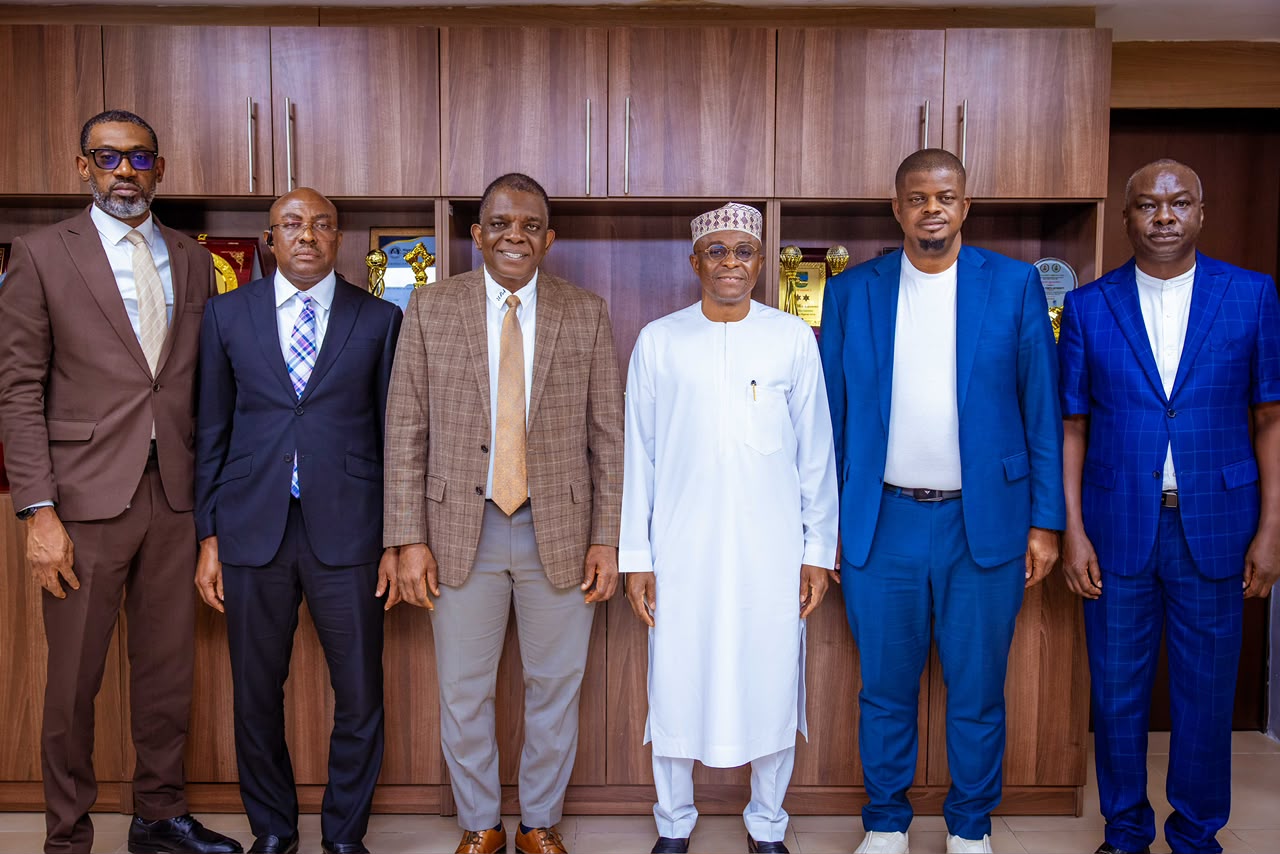
Speaking at the 18th International Maritime Seminar for Judges organised by the Nigerian Shippers’ Council (NSC) in collaboration with the National Judicial Institute (NJI) in Abuja, the Secretary to Government of the Federation, Sen. George Akume, CON, reaffirmed the Federal Government’s commitment to strengthening Nigeria’s maritime legal framework through institutional reforms, judicial capacity building and international cooperation.
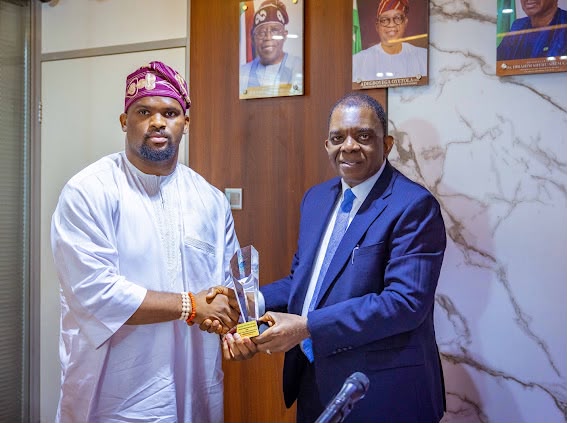
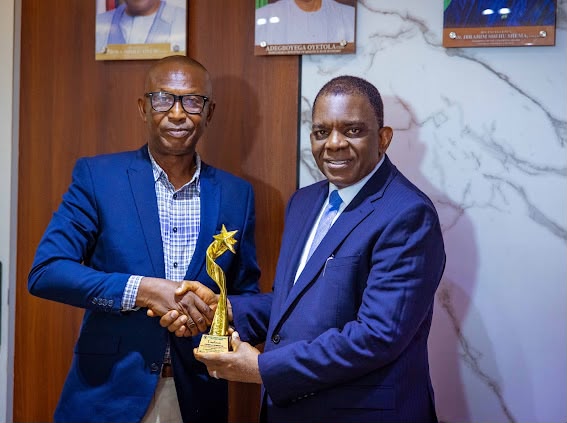
Senator Akume who is also the chairman of the occasion described the seminar as one of Africa’s foremost platforms for judicial learning.
He noted that the event promotes the harmonization of maritime law, enhances commercial disputes resolution and position Nigeria as a competitive player in global maritime trade.
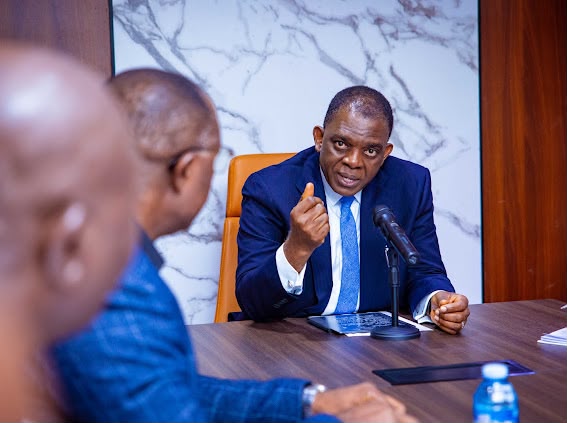
He said that a credible, efficient, and expert maritime justice system is not peripheral to that ambition. It is foundational to it. No investor will commit capital to a maritime venture in Nigeria if they cannot trust that contractual disputes will be resolved fairly and swiftly.
In his address, the Minister of Marine and Blue Economy, His Excellency, Adegboyega Oyetola, CON, described the seminar as a vital platform for enhancing the knowledge of judicial officers on maritime law and improving the administration of justice within Nigeria’s maritime sector.
Oyetola explained that the rapid evolution of maritime technology was creating unprecedented legal questions around liability, navigational responsibility, insurance, collision regulations and the allocation of responsibility when autonomous vessels or their systems fail.
He said the growing international focus on maritime decarbonisation and environmental responsibility would also generate increasingly complex disputes over environmental liability, pollution damage, regulatory enforcement and compliance with evolving international standards, urging judges to approach such cases with sound legal reasoning, scientific understanding, and awareness of emerging international jurisprudence.
Oyetola reiterated that the Federal Government would support the expansion of specialised maritime divisions within the Federal High Court, align domestic legislation with contemporary international maritime conventions and promote robust alternative dispute-resolution mechanisms, particularly maritime arbitration.
Declaring the seminar opened, the Chief Justice of Nigeria, Justice Kudirat Kekere-Ekun, GCON, said that the maritime sector serves as a vital channel for the movement of goods and services, facilitates international trade, supports economic growth and contributes significantly to employment and national revenue.
The Chief Justice further emphasised the importance of effective and prompt dispensation of admiralty justice, noting that maritime disputes often involve complex, time-sensitive and cross-border transactions.
She stressed that delays in resolving such disputes could disrupt commercial operations, increase costs, undermine investor confidence and affect the smooth functioning of the maritime industry.
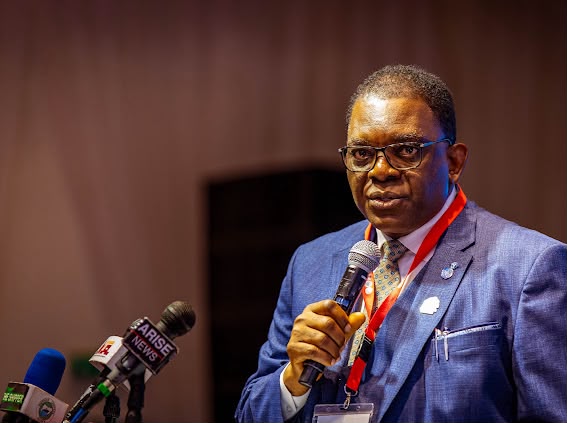
In his remarks, the Chairman, Nigerian Shippers’ Council Governing Board, His Excellency Dr. Ibrahim Shehu Shema CON said that the Council remains committed to fostering collaboration with the judiciary, regulators and industry stakeholders to promote efficiency, trade facilitation and investors confidence
He added that continuous judicial education and the effective administration of maritime justice are essential to addressing emerging challenges in global trade and ensuring sustainable growth of the maritime sector.
In his vote of thanks, the Executive Secretary and Chief Executive Officer of Nigerian Shippers’ Council, Dr. Akutah Pius, MON, expressed profound appreciation to the President of the Federal Republic of Nigeria, President Bola Ahmed Tinubu, GCFR, for providing the opportunity to diversify Nigeria’s economy through the creation of the Federal Ministry of Marine and Blue Economy and for resuscitating the ministries within the sector.
The NSC boss also showed gratitude to all participants for honouring the invitations and being present at the event.