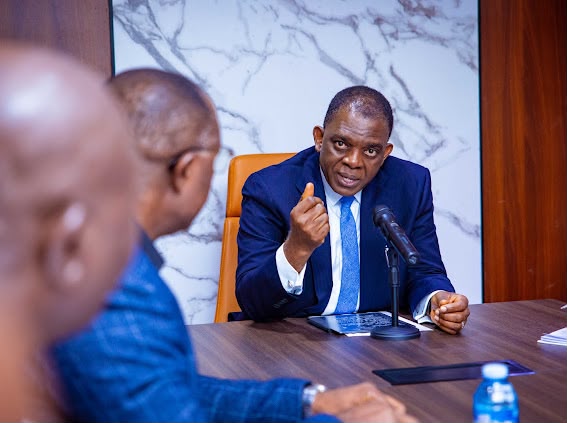


The Director-General/Chief Executive Officer of the Nigerian Ports Economic Regulatory Agency (NPERA), Dr. Pius Akutah, MON, has said the NPERA Act 2026 represents more than a change of name, describing it as a new regulatory regime designed to address inefficiencies, reduce costs and improve the competitiveness of Nigerian ports.
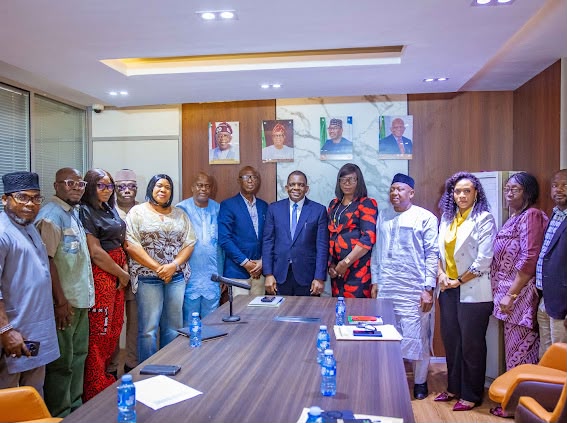
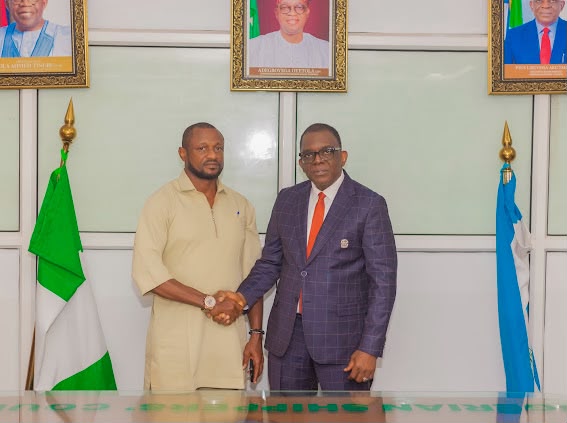
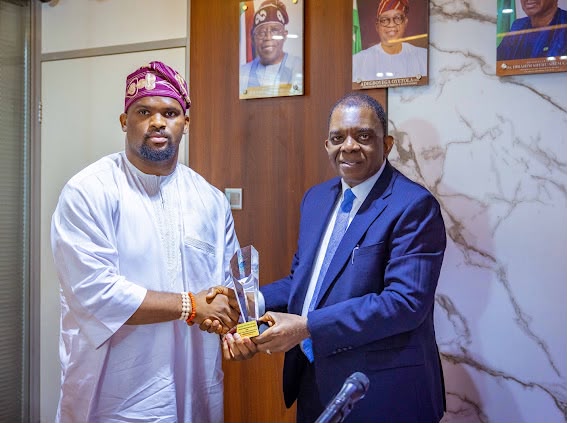
Akutah stated this in Lagos when he received the President of the Congress of Nigerian Maritime Media Practitioners (CONMMEP), Mr. Udo Onyeka, and members of the association on a courtesy visit to the Agency.
The DG explained that while the former Nigerian Shippers’ Council (NSC) focused largely on protecting shippers’ interests, negotiating freight rates and port charges, and promoting shippers’ associations, NPERA has a broader economic regulatory mandate.
“This agency is not just a name change. It’s a clear departure from the previous agency known asNigerian Shippers’ Council because the NSC was part of an agency that protected interests of shippers and was saddled with the responsibility of negotiating freight rates, port charges and all of that. Also, promoting the development of shippers association nationwide. All of that was targeted towards one side of the sector.” he said
Akutah said the need for a dedicated port economic regulator became more pronounced after the 2006 port concession, with stakeholders repeatedly raising concerns over agencies combining regulatory and service functions.
He noted that the appointment of NSC as port economic regulator in 2014 eventually paved the way for the legislation establishing NPERA.
On the transition, the DG said the Agency had developed targets for 30, 60, 90 and 120 days, as well as one year and beyond, with the aim of completing the transition within six months.
He identified port efficiency, digitisation, decongestion, cost reduction and dispute resolution as key areas where the impact of the new regulatory regime should become evident.
“Port efficiency is very critical to us because most of what we have complained about today stem from the inefficiency that go on around the port. It may not be as a result of infrastructure or lack of manpower but because of the inefficiency that are in the port; for instance, multiple agencies working within the port sector, giving rise to a lot of human contact whereas the rest of the world is promoting green shipping and promoting innovation that have removed human contact to a large extent.” he said
Akutah also said the enhanced penalties under the new law would strengthen compliance and deter activities inimical to trade facilitation.
“We need people to be deterred from carrying out certain activities that will be inimical to trade facilitation”.
He added that the new penalties were necessary because the fines under the old law had become inadequate in present-day economic realities.
“If you don’t fear the authority, you fear the law because the law is no respecter of person but it doesn’t target particular individuals because under the law, all human beings are equal.”
The DG further linked the new regulatory framework to ongoing efforts to attract investment and modernise Nigeria’s port infrastructure, saying the reform of institutions in the marine and blue economy sector was part of the Federal Government’s broader economic development agenda.
Speaking earlier, CONMMEP President, Mr. Udo Onyeka, said the visit was aimed at strengthening the relationship between NPERA and the maritime media and gaining a better understanding of the Agency’s priorities and reforms.
Onyeka said the maritime industry remained critical to Nigeria’s economy, with port efficiency, logistics costs, ease of doing business and business competitiveness closely tied to effective regulation.
He called for regular briefings, access to credible data and greater interaction with NPERA officials to promote accurate reporting and minimise misinformation.
The CONMMEP president said the media would continue to scrutinise developments in the sector while giving policymakers and stakeholders an opportunity to explain their policies and challenges.
“Our objective is not to serve as public relations officers for any institution. Rather, we seek a relationship based on access, transparency, professionalism and mutual respect.” he said
Onyeka identified shipping and logistics costs, port congestion, tariffs and charges, demurrage, cargo clearance, digitisation, the Nigerian Single Window, non-oil exports and maritime security among issues the maritime media would continue to monitor.
He expressed the hope that the engagement would mark the beginning of sustained interaction between NPERA and maritime journalists, as the Agency begins the implementation of its new mandate.
The visit provided an opportunity for both sides to discuss the expectations surrounding the new regulatory framework and the role of the media in communicating its impact to stakeholders and the wider public.