




The Nigerian Port Consultative Council (NPCC), has declared support for the Nigerian Shippers’ Council’s move for self collection of one per cent Freight Stabilization Fee in addressing the paucity funds facing the execution of its regulatory activities.
The Chairman, Nigerian Port Consultative Council ( NPCC), Mr. Bolaji Sunmola stated this when he led members of PCC on a courtesy visit to the Council’s Headquarters in Lagos on Thursday.
Sumaila said the Council requires proper funding as port economic regulator.
The NPCC Chairman who recognized the contribution of Shippers’ Council to the development of Nigeria’s maritime sector, reiterated the need to strengthen the regulatory power of the Council as ombudsmen in port operations.
A member of Nigerian Port Consultative Council, Mrs. Chinwe Ezenwa, said the issue of funding is a key priority that must be addressed by the government.
In his contribution, the Executive Secretary and Chief Executive Officer of NSC, Barr. Pius Akutah appreciated the Chairman and members of Nigerian Port Consultative for the visit.
Barr. Akutah maintained that the Council proposes one per cent freight stabilization fee to execute its activities.
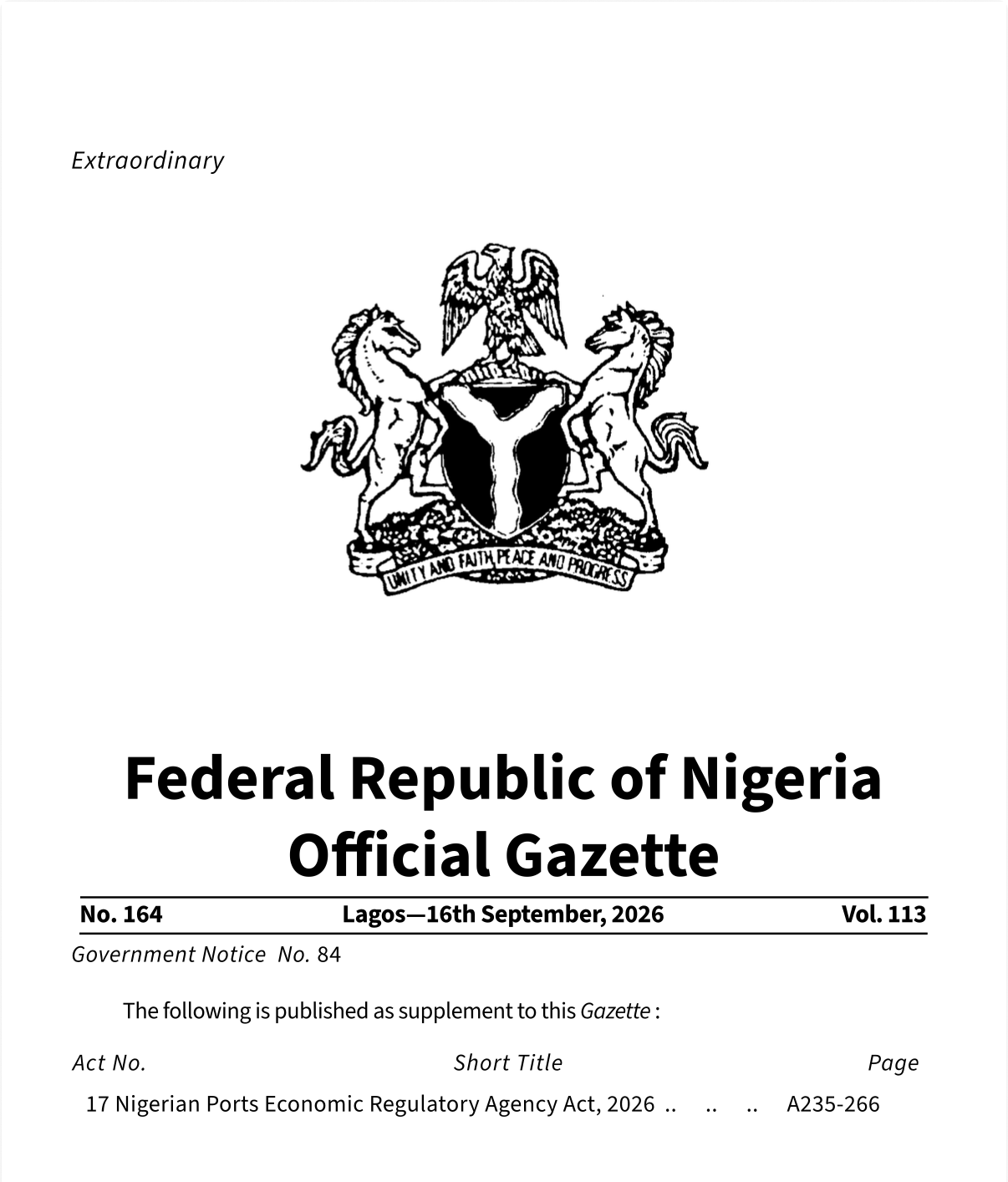
The NSC boss expressed optimism that the bill “Nigerian Shipping and Port Economic Regulatory Agency recently passed the Second Reading by the House Committee on Shipping Services and the bill when passed into law will bring about monumental success.