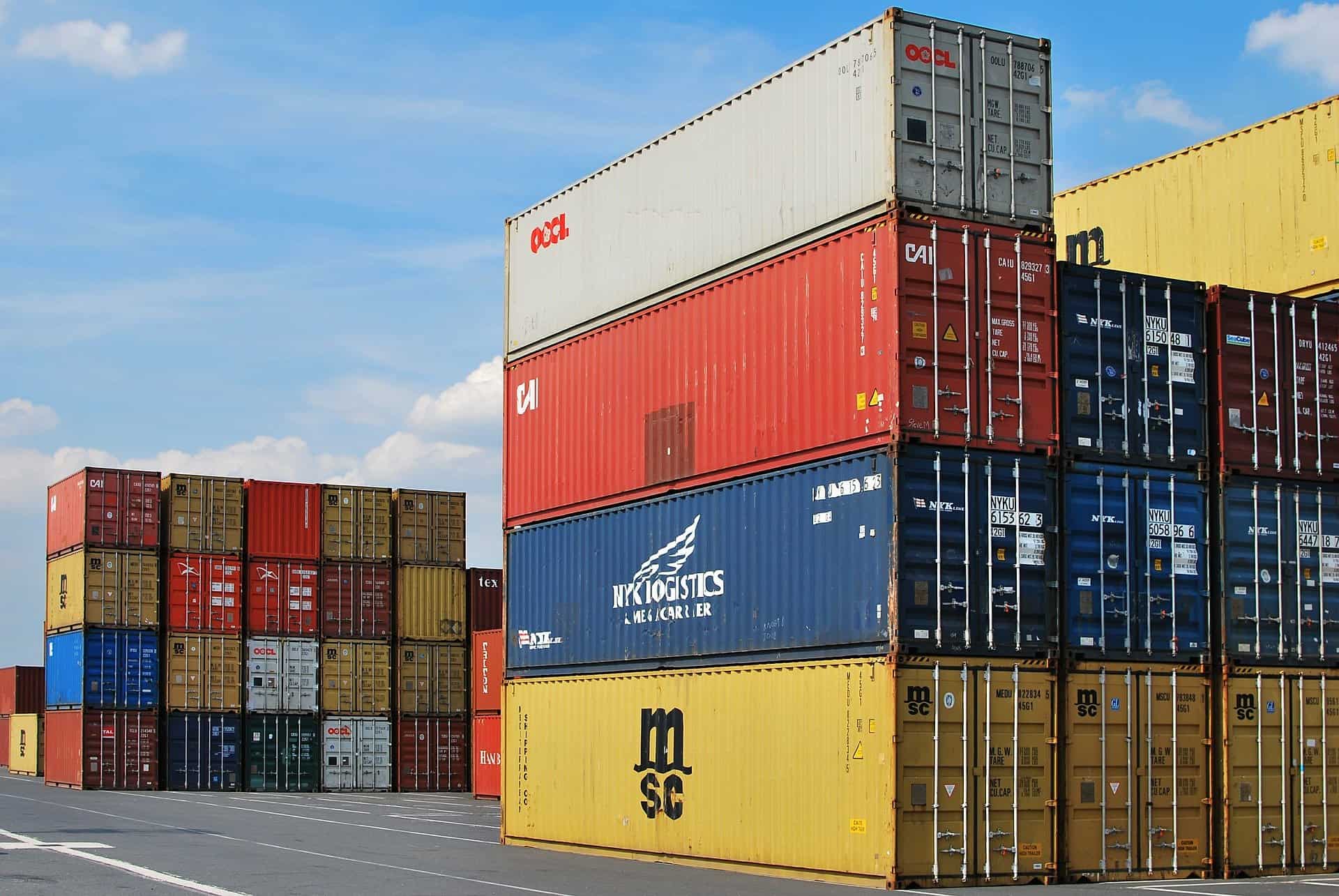






The Nigerian Ports Economic Regulatory Agency (NPERA) has held COSCO Shipping Lines Nigeria Ltd commercially responsible for the shortage of 1,099 bags of raw Cashew Nuts and Cocoa Beans belonging to MOI Foods Nigeria Limited. This arose from a cargo integrity dispute involving seven (7X40FT) export containers transported from the shipper’s warehouse to the Port of Apapa, Lagos. NPERA has directed the carrier to commence immediate settlement negotiations. The ruling successfully recovers liability avenues for losses valued at ₦345 million, addressing vulnerabilities within the containerized export logistics chain.
Background
MOI Foods Nigeria Limited lodged a formal cargo claim with NPERA, detailing significant shortages discovered during independent destination surveys and pre-shipment inspections.
Contractual Carriage Relationship: MOI Foods stated that it did not independently contract or nominate any third-party haulage provider. MOI Foods paid all freight forwarding, documentation, and inland transportation charges directly to COSCO Shipping Lines Nigeria Limited under a comprehensive service arrangement. Consequently, the appointment, management, and supervision of sub-contracted motor carriers and truck drivers rested entirely with COSCO.
Dispatch Verification: All seven containers were properly tallied, weighed, and packed at the shipper’s warehouse. Every unit was secured with a dual-seal system comprising an MOI Foods corporate seal and an SGS seal, with a COSCO line seal subsequently affixed at the terminal gate. Warehouse weighbridge tickets confirmed that the equipment departed the facility with full declared payloads.
Independent Survey Discrepancies : Subsequent discharge and destination inspections revealed substantial shortages. Risk-Based Sampling (RBS) survey reports for the raw Cashew Nuts and Cotecna inspection reports for the Cocoa Beans established a combined loss initially tallied at 1,112 bags, later adjusted to 1,099 bags upon final verification.
The Critical Pre-Export Discovery: Container CSNU6446200
A pivotal piece of evidence involved container number CSNU6446200, wherein a localized weighbridge check detected a shortage of 15.573 metric tons of Cocoa before the unit cleared Customs and departed territorial waters.
Prompted by operational suspicions surrounding a recurring rotation of assigned truck drivers, MOI Foods re-weighed the container. This discovery established that significant cargo depletion occurred while the container remained sealed and under the custody of the inland transit chain. MOI Foods argued that intact physical seals do not automatically exonerate carriers or disprove cargo pilferage, pointing instead to systemic vulnerabilities during transit.
Tripartite Mediation Proceedings
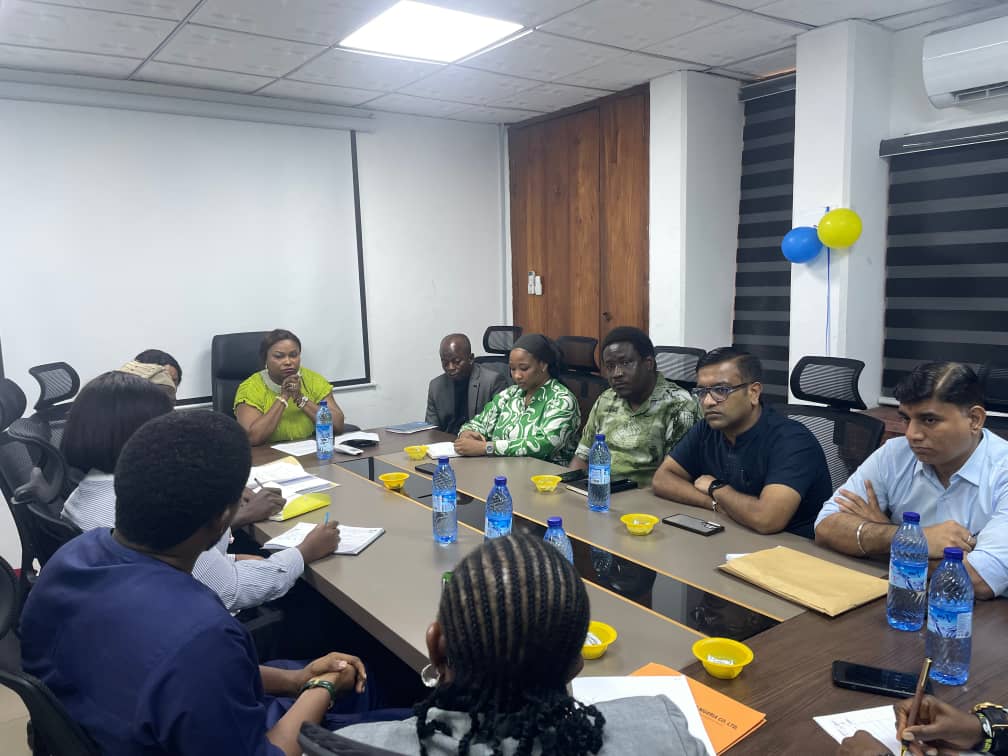
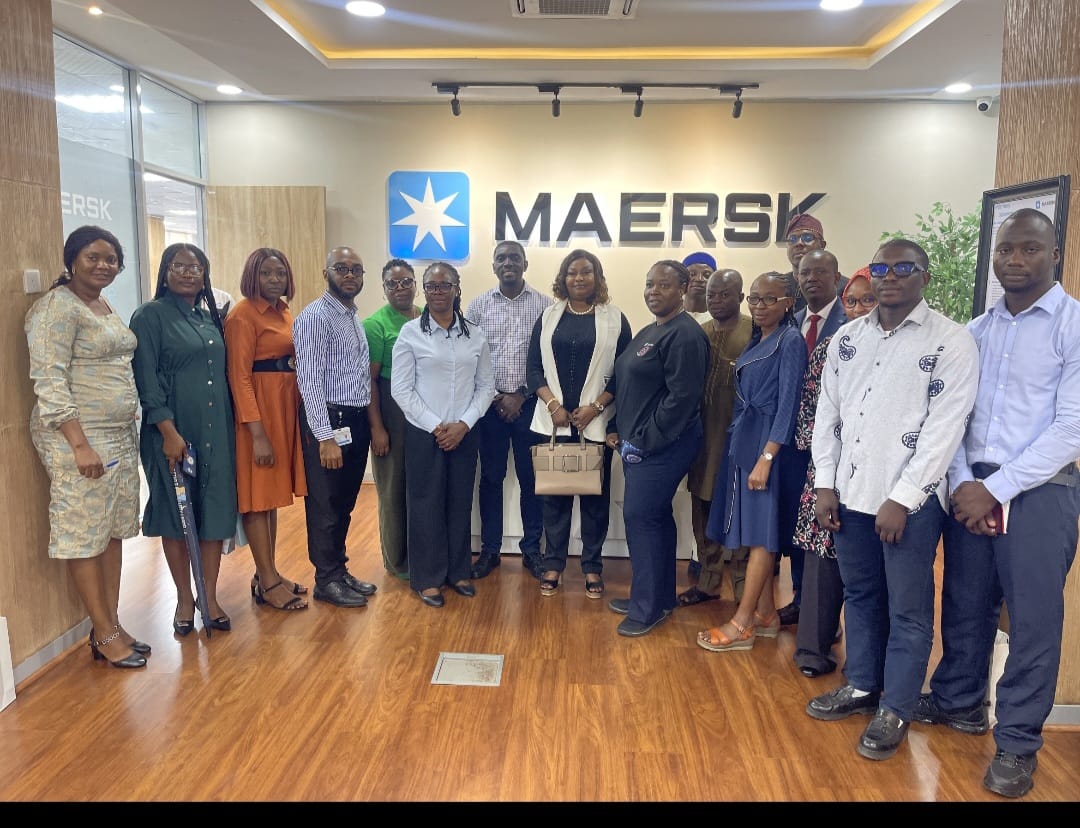
On Monday, November 2, 2026, NPERA convened a formal tripartite conciliation meeting chaired by Mrs. Juliana O. Saka (Ph.D.). Head, Complaints Unit, on behalf of the Director-General/Chief Executive Officer of NPERA, Dr. Akutah Pius Ukeyima, Esq., MON, FCILT. Case handler Mr. James Adedamola Okediya presented the background analysis as stated.
She welcomed participants and outlined that the meeting was convened to provide a platform for both parties to present their positions and explore an amicable resolution. She sought crucial clarifications on whether MOI Foods and COSCO directly participated in the pending court proceedings, then noted the need to exercise appropriate caution, given that both entities acted strictly as witnesses.
She expressed deep concern over the prolonged delays, the lack of satisfactory remediation, and the unviable two-year repayment proposal floated by the rogue transporter.
MOI Foods Position: Represented by Mr. Santosh Nair, the exporter reaffirmed that all freight liabilities rested with COSCO, emphasizing the pre-shipment weighbridge findings as irrefutable proof of transit-phase cargo theft.
COSCO Position: Represented by Logistics Manager Mr. Michael and Mrs. Esther Uche of the Claims Department, COSCO acknowledged the commercial relationship and confirmed that internal investigations were ongoing. COSCO noted that one of the truck drivers had been apprehended by law enforcement agencies and referenced concurrent legal proceedings. However, COSCO argued that the containers arrived at the port terminal with physical seals intact and noted that the carrier was not present during stuffing and piece-tallying at the shipper’s warehouse.
NPERA’s Resolutions
Following a thorough review of the documentary evidence, including warehouse tallies, weighbridge certificates, RBS survey reports, and Cotecna inspection certificates, NPERA issued a definitive regulatory determination.
1. Commercial Liability Assignment
- Invoking Clause 3 of the Indemnity Agreement between the contracting parties, NPERA ruled that financial liabilities arising from operational negligence, omissions, or dereliction of duty by a designated logistics service provider must be absorbed by that provider.
- The Agency affirmed that COSCO Shipping Lines Nigeria Limited bears absolute commercial responsibility for the indemnification of the 1,099 missing bags.
2. Compensation and Settlement Framework
- COSCO is directed to immediately initiate direct settlement negotiations with MOI Foods Nigeria Limited to establish a fair and equitable commercial compensation framework for the total cargo loss.
- COSCO must formally copy NPERA on all correspondence regarding the settlement process and submit a mandatory progress report to the Agency on or before November 30, 2026.
3. Operational Risk Mitigation and Supply Chain Governance
- Both commercial entities are strongly advised to preserve their long-term trade relationship through enhanced operational transparency and accountability.
- The Agency mandated the adoption of robust supply chain safeguards, including real-time cargo tracking, stringent vetting of third-party haulage operators, and enhanced transit oversight to prevent future seal-integrity breaches.
MOI Foods appreciated the Agency’s intervention, saying, “It restored our confidence in the Nigerian Maritime/Port Sector.