

The Nigerian Shippers’ Council (NSC), has reaffirmed its commitment to providing the necessary regulatory guidance and institutional support for the successful implementation of the Sealink Project, describing the initiative as a strategic intervention capable of transforming Nigeria’s maritime and coastal shipping landscape.
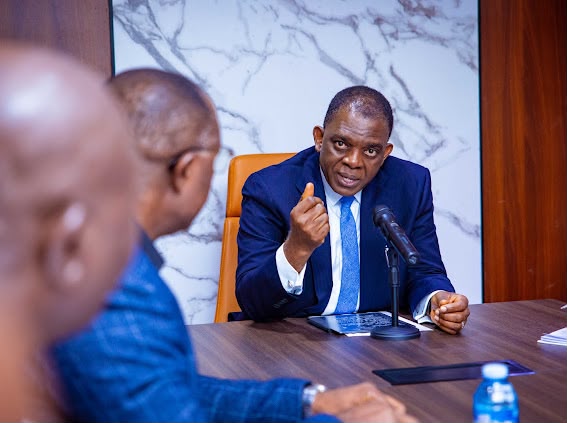
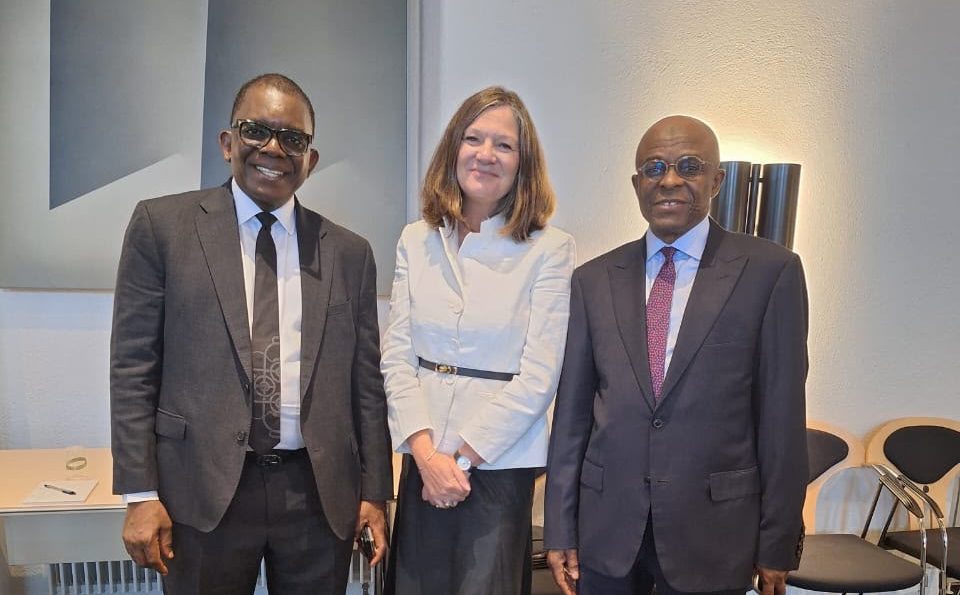
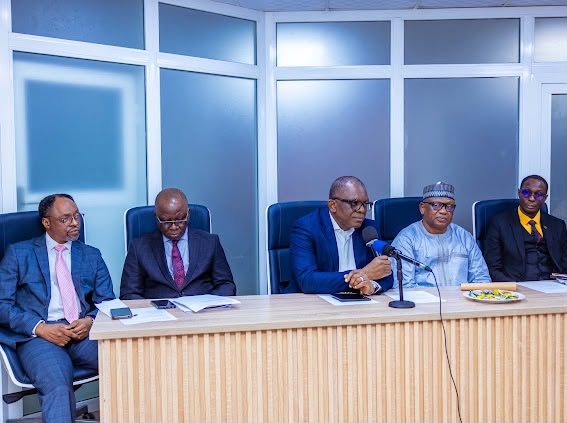
The commitment was made by the Executive Secretary and Chief Executive Officer of the Council, Dr. Akutah Pius, MON, during a courtesy visit by a high-level delegation from the Nigerian Export-Import Bank (NEXIM Bank), supported by the European Union (EU) and in partnership with the Port of Antwerp-Bruges, at the Council’s headquarters in Lagos.
The delegation, led by Mr. Hope Nyongo formally presented the Sealink Project to the Council and acknowledged the Nigerian Shippers’ Council as a key institutional stakeholder in the actualisation of the initiative, citing the Council’s pivotal role in freight logistics development and the protection of shippers’ interests in Nigeria.
According to the delegation, the project, which is co-funded by the European Union and supported technically by the Port of Antwerp-Bruges, is designed to strengthen Nigeria’s coastal and inland waterway transport systems, while enhancing regional trade connectivity. The delegation also expressed the readiness of the Port of Antwerp-Bruges to collaborate on the rehabilitation and upgrade of Burutu Port as a major component of the programme.
Responding, Dr. Akutah commended the initiative and stressed the need to address critical operational and regulatory issues to guarantee the project’s sustainability and long-term success.
He underscored the importance of incorporating dredging costs into the project’s financial framework, noting that efficient navigation channels remain fundamental to the viability of coastal and inland shipping operations.
The NSC Chief Executive also observed that the current fleet operating along the proposed corridors may be inadequate for the project’s objectives and called for the deployment of suitable vessels to support seamless operations.
On maritime security, Dr. Akutah emphasised the need for a robust security architecture, particularly within the Niger Delta axis, to ensure the safety of vessels, cargo and personnel.
To facilitate effective implementation, Dr. Akutah disclosed that the Council would establish a dedicated technical team to provide regulatory guidance throughout the lifecycle of the project. He further assured the delegation that an appropriate regulatory framework would be developed and reviewed before any concession arrangement is undertaken.
The Executive Secretary expressed optimism about the prospects of the Sealink Project, affirming the Council’s readiness to identify with and support initiatives that promote trade facilitation, maritime connectivity and economic growth.
He further stated that Nigeria is strategically positioned to emerge as a major trade and port hub for Africa under the framework of the African Continental Free Trade Area (AfCFTA).
Dr. Akutah also advocated the establishment of a clear and effective dispute resolution mechanism to address potential commercial and regulatory issues that may arise during the implementation of the project, describing such a framework as essential for investor confidence and programme stability.
The meeting marks a significant step towards strengthening institutional collaboration and advancing the Sealink Project as a catalyst for enhanced regional trade and maritime development in Nigeria and across Africa.